
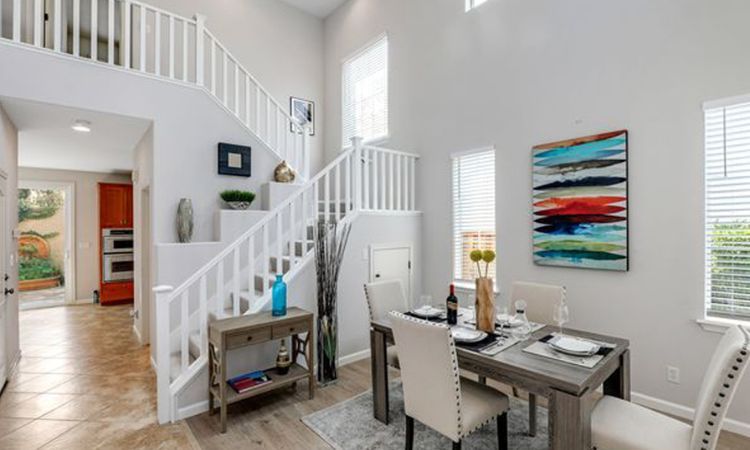
A welcoming home does more than look attractive. It encourages people to slow down, settle in, and feel comfortable from the moment they step inside. Whether the goal is preparing a property for sale or creating an inviting living environment, thoughtful interior design habits shape how every room feels.
Many homeowners believe a welcoming space depends on expensive furniture or the latest décor trends. In reality, lasting appeal comes from consistent design choices that support comfort, functionality, and visual balance. Small habits practiced throughout a home often influence atmosphere more than dramatic renovations.
Professionals working as home stagers in San Leandro recognize that buyers and visitors respond to spaces that feel natural, organized, and effortless rather than heavily decorated.
Design With Everyday Living in Mind
Every room tells a story about how life unfolds inside the home.
Instead of arranging furniture simply to fill space, successful interiors reflect everyday activities. A reading corner beside a window, a dining table arranged for conversation, or a welcoming seating area encourages people to imagine themselves living comfortably within the space.
Purpose gives each room clarity. When every area supports a function, the home feels complete rather than unfinished.
Create Gentle Visual Transitions
Moving from one room to another should feel effortless. Abrupt changes in style, color, or materials interrupt the home's rhythm and make interiors feel disconnected.
Gentle transitions help create continuity.
Examples include:
- Repeating similar wood finishes.
- Carrying accent colors into adjoining rooms.
- Using complementary textiles.
- Maintaining consistent flooring where possible.
These subtle connections allow each room to maintain its own personality while contributing to a unified experience.
Professionals involved in home staging in Castro Valley, CA often prioritize flow because buyers naturally respond to homes that feel cohesive.
Allow Every Room to Breathe
Space serves an important purpose. Crowded interiors compete for attention and reduce comfort. Instead of filling every wall or corner, leave room for the eye to rest.
Open surfaces, generous walking paths, and balanced furniture placement create interiors that feel calm and spacious.
A thoughtfully edited room often appears larger than one filled with decorative items. This habit supports both in-person showings and listing photography.
Choose Quality Over Quantity
A few carefully selected furnishings create greater impact than numerous decorative pieces.
Well-made furniture, timeless artwork, and durable textiles contribute lasting character without overwhelming the room.
Rather than collecting accessories for every available surface, select items with purpose.
Examples include:
- A handcrafted ceramic vase.
- Framed artwork with simple lines.
- A textured area rug.
- Natural wood furniture.
- Soft linen curtains.
Each piece supports the overall atmosphere while allowing architectural details to remain visible.
Welcome Natural Light
Natural light influences mood, comfort, and perception. Bright interiors immediately feel more inviting than dim spaces.
Simple habits help maximize available daylight:
- Keep windows clean.
- Select lightweight curtains.
- Position mirrors thoughtfully.
- Avoid blocking windows with oversized furniture.
- Use reflective finishes sparingly to enhance brightness.
Natural light also highlights textures and materials, giving rooms greater depth throughout the day.
Experienced professionals serving as a home stager in San Leandro understand that light often becomes one of the home's strongest design features.
Make Comfort Visible
People often judge comfort before they experience it. Visual cues influence expectations.
Layered cushions, neatly folded throws, upholstered seating, and inviting bedding suggest warmth without appearing excessive.
Comfort becomes part of the design rather than an afterthought. Instead of decorating for display alone, successful interiors encourage people to sit, relax, and enjoy the space.
Keep Personal Collections Selective
Personal items help transform houses into homes. When preparing a property for visitors or buyers, moderation becomes essential.
Large collections, numerous family photographs, or highly specific décor make it difficult for others to imagine themselves living there.
Thoughtful editing creates a welcoming environment that feels personal without becoming exclusive. Neutral styling encourages broader emotional connections.
Pay Attention to Touchpoints
Many memorable design experiences involve objects people interact with daily.
These details include:
- Cabinet hardware
- Door handles
- Light switches
- Faucet finishes
- Stair railings
Consistent finishes throughout the home create subtle sophistication. Even though visitors rarely focus on these elements individually, they contribute to the home's overall sense of quality.
Professionals specializing in home staging in Castro Valley, CA frequently evaluate these details because consistency strengthens the buyer experience.
Introduce Nature Indoors
Natural elements soften interior spaces. Fresh greenery, branches, stone accents, woven baskets, and wooden furniture create warmth while connecting interiors with the outdoors.
Plants also introduce gentle color without overwhelming the room. Choose varieties that complement the home's maintenance needs and available light. Simple arrangements often create stronger visual impact than oversized displays.
Design Around Conversation
Living areas perform best when they encourage interaction. Furniture arranged exclusively around entertainment systems sometimes limits conversation.
Instead, position seating where people naturally face one another. Coffee tables, side tables, and comfortable spacing support gatherings while maintaining openness.
These layouts create welcoming environments for families, friends, and prospective buyers alike.
Maintain Consistent Proportions
Scale influences how comfortable a room feels. Furniture should complement the room's dimensions. Oversized furniture dominates compact spaces. Small pieces appear disconnected inside larger rooms. Balanced proportions create visual harmony while preserving functionality. Leave adequate circulation space around furniture so movement feels natural.
Professionals working as homestagers in San Leandro often remove unnecessary pieces before introducing new ones, allowing each room to perform more effectively.
Use Texture to Create Quiet Interest
Welcoming interiors rarely rely on dramatic patterns or bold colors.
Texture creates richness in more subtle ways.
Combine materials such as:
- Linen
- Wool
- Wood
- Cotton
- Glass
- Stone
- Ceramic
Layering different textures adds depth while maintaining a calm visual environment.
Each material reflects light differently, helping rooms feel dynamic without becoming busy.
Let Storage Support the Design
Storage contributes to comfort as much as appearance.
Accessible storage reduces clutter while making daily routines easier.
Consider incorporating:
- Decorative baskets
- Built-in shelving
- Storage benches
- Closet organizers
- Multi-functional furniture
Visible organization reinforces the impression of a well-maintained home.
Guests and buyers appreciate spaces that appear both attractive and practical.
Think Beyond Individual Rooms
A welcoming home functions as a complete experience.
- Entryways introduce the atmosphere.
- Living spaces encourage gathering.
- Bedrooms provide rest.
- Bathrooms support relaxation.
- Outdoor areas extend usable living space.
Design decisions become stronger when viewed collectively rather than independently. Each room builds upon the previous one, creating continuity throughout the property.
Professionals involved in home staging in Castro Valley, CA frequently approach homes from this holistic perspective because buyers rarely evaluate rooms in isolation.
Refresh Instead of Reinvent
Maintaining a welcoming home does not require constant redesign. Regular updates preserve freshness while respecting timeless design principles.
Simple refreshes include:
- Rotating artwork
- Replacing worn textiles
- Updating decorative cushions
- Introducing seasonal greenery
- Refinishing wood surfaces
- Rearranging furniture
These thoughtful adjustments keep interiors feeling current without chasing short-lived trends.
Support Every Sense
Interior design extends beyond appearance. Welcoming homes appeal through multiple senses. Soft textiles invite touch. Natural light creates warmth. Organized layouts reduce stress. Fresh flowers or subtle greenery add life. Quiet surroundings encourage relaxation.
When every design choice contributes to comfort, visitors remember the experience long after they leave.
Value Simplicity Over Excess
Simple interiors often create stronger emotional responses than heavily decorated spaces. Clean lines, balanced proportions, and restrained styling allow architectural features and quality materials to stand out.
Rather than competing for attention, every element works together. This sense of quiet confidence gives timeless interiors their enduring appeal.
Homeowners who embrace simplicity often discover that welcoming spaces require thoughtful decisions rather than additional decoration.
Final Thoughts
Welcoming interiors develop through consistent habits rather than dramatic transformations. Purposeful layouts, balanced proportions, natural light, layered textures, quality materials, and carefully edited décor work together to create spaces that feel inviting every day. These habits remain effective because they prioritize comfort, functionality, and human connection over passing trends.
Whether preparing a property for future buyers or simply improving everyday living, thoughtful interior design creates environments where people immediately feel at ease. By focusing on timeless habits instead of temporary styles, homeowners build spaces that leave lasting impressions and continue to feel warm, functional, and inviting for years to come.